Hydraulic Breaker for Backhoe Loaders: The Complete Buyer’s Guide
2026-09-16

In modern construction and mining industries, hydraulic hammers have become essential tools for efficient rock and concrete demolition. For quarry operators, especially those dealing with limestone, selecting the right hydraulic hammer can dramatically influence productivity, safety, and operational costs. Whether integrated with excavators, skid steers, or mini excavator attachments, these tools provide the power and precision that traditional methods, such as manual breaking or blasting, cannot match.
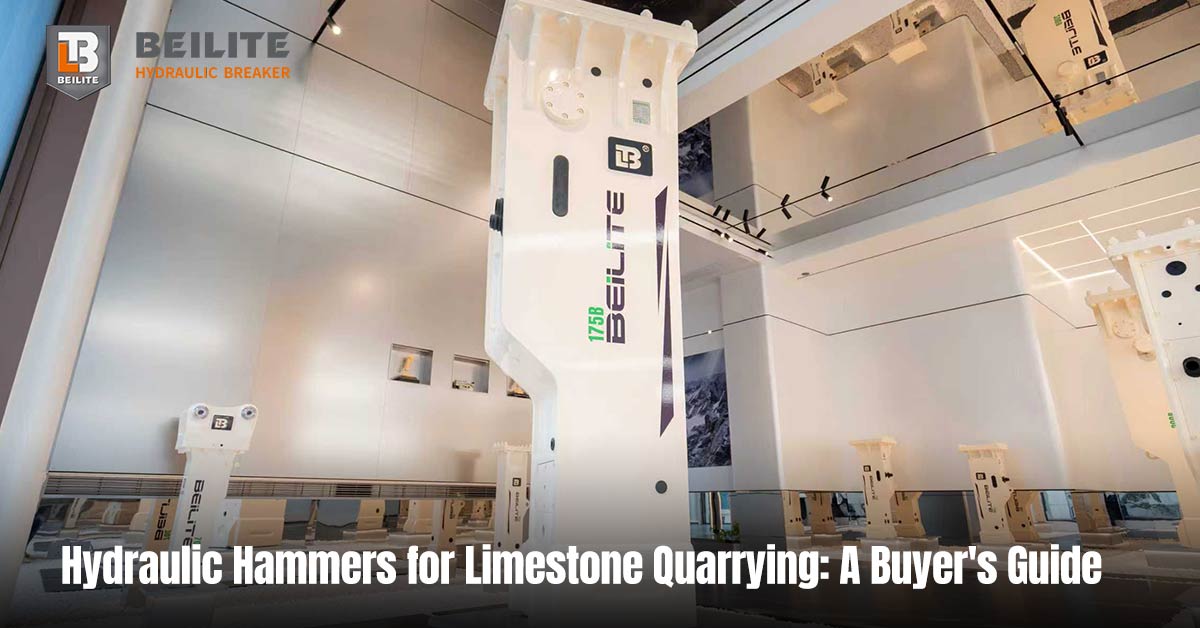
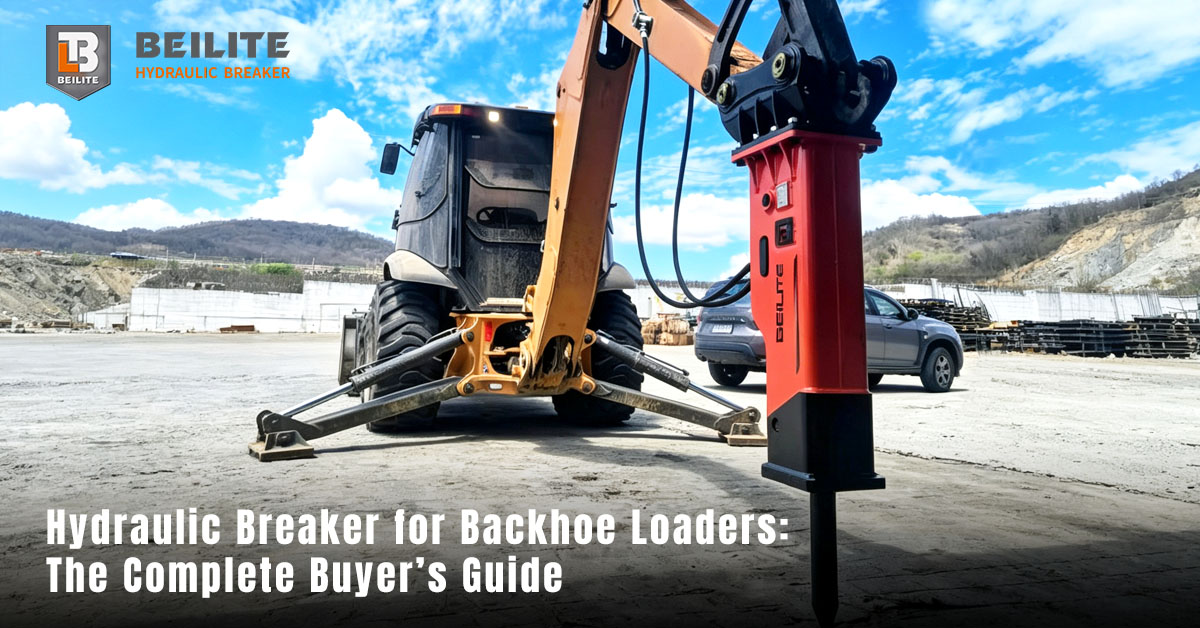
A hydraulic breaker hammer, sometimes referred to as a rock hammer, concrete hammer, or demolition hammer, is a specialized attachment for excavators and skid steer loaders. Its core function is to deliver high-frequency impacts to break rocks, concrete, and other hard materials efficiently. To dive deeper into usage tips, see: How to Use a Hydraulic Breaker: Guide to Using a Hydraulic Hammer.
These tools are indispensable in quarries, particularly for materials like limestone, which vary in hardness and require different hammer specifications.
Recommend Reading: How Long Should You Use a Hydraulic Breaker For ? Hydraulic Breaker Operation Time
Quarry operators use hydraulic breakers for excavators and skid steer hydraulic breakers in various scenarios:
The advantage is clear: rock breakers provide precision, reduce noise and vibration, and improve workplace safety. For examples of hydraulic rock breaker performance, check Real Stories of Beilite Hydraulic Rock Hammer in Tough Environments.
The choice of a hydraulic hammer for excavator depends on the type and hardness of the rock. Based on the provided chart, the compatibility of breaker models with different rock types is as follows:
| Rock Hardness (MPa) | Suitable Breaker Models | Typical Rock Types |
| <15 | BLTB-40 to BLTB-53 | Soft clay, soft marl, soil with gravel, mudstone |
| 15–30 | BLTB-70 to BLTB-85 | Soft limestone, white marl, siltstone, soft sandstone |
| 30–50 | BLTB-100 to BLTB-140 | Hard sandstone, quartz sandstone, mudstone, compact siltstone |
| 50–80 | BLTB-150 to BLTB-175 | General hard rock, compact sandstone, ironstone, limestone |
| 80–120 | BLTB-185G to BLTB-200 | Dense granite, very hard limestone, ironstone |
| 120–160 | BLTB-205 to BLTB-220 | Extremely hard granite, gabbro, basalt, ironstone |
| >160 | BLTB-230 to BLTB-280 | Extremely dense rock, special hard stone formations |
Understanding this classification is crucial for buyers, as selecting the wrong excavator hammer can lead to premature wear, lower productivity, and higher operational costs. For guidance on matching rock hardness to hydraulic breaker size, see How to Choose the Right Excavator Rock Breaker Based on Rock Hardness?.
Get in touch with Beilite for professional guidance!
When selecting a hydraulic excavator breaker or skid steer breaker, buyers focus on multiple critical factors:
Need advice on hydraulic breakers? Reach out to Beilite now!
Recommend Reading: Hydraulic vs pneumatic breakers: Which is better for your project?
To maximize the life of hydraulic rock breakers and excavator rock hammers:
See How Often Should a Hydraulic Breaker Be Greased? and How Often Should I Replace the Chisel (Tool) of a Hydraulic Breaker? for detailed maintenance guidance.
Choosing the right hydraulic breaker for excavator or skid steer breaker requires careful consideration of rock type, machine compatibility, and operational efficiency. Using the hardness chart as a guide ensures buyers select the optimal model for limestone quarrying, preventing premature wear and maximizing productivity.
Whether using a rock hammer, hydraulic hammer, excavator hammer, or skid steer concrete breaker, proper selection, operation, and maintenance make the difference between a cost-effective investment and unnecessary downtime.
Have questions about hydraulic breakers? Contact Beilite today for expert solutions!






 Phone/ Whatsapp:
  Email: