Hydraulic Breaker for Backhoe Loaders: The Complete Buyer’s Guide
2026-09-16

Operating heavy machinery in cold weather presents a unique set of challenges. Low temperatures thicken hydraulic oil, make seals brittle, and can lead to internal component damage if not handled correctly. When it comes to a high-impact tool like a hydraulic breaker, these risks are amplified. At BEILITE Machinery, we have decades of experience with equipment in some of the world’s coldest climates. We know that a few minutes of preventative action can save you from a very expensive repair bill.
This guide provides essential hydraulic hammer winter warmup and storage tips to ensure your equipment operates reliably and safely all season long.
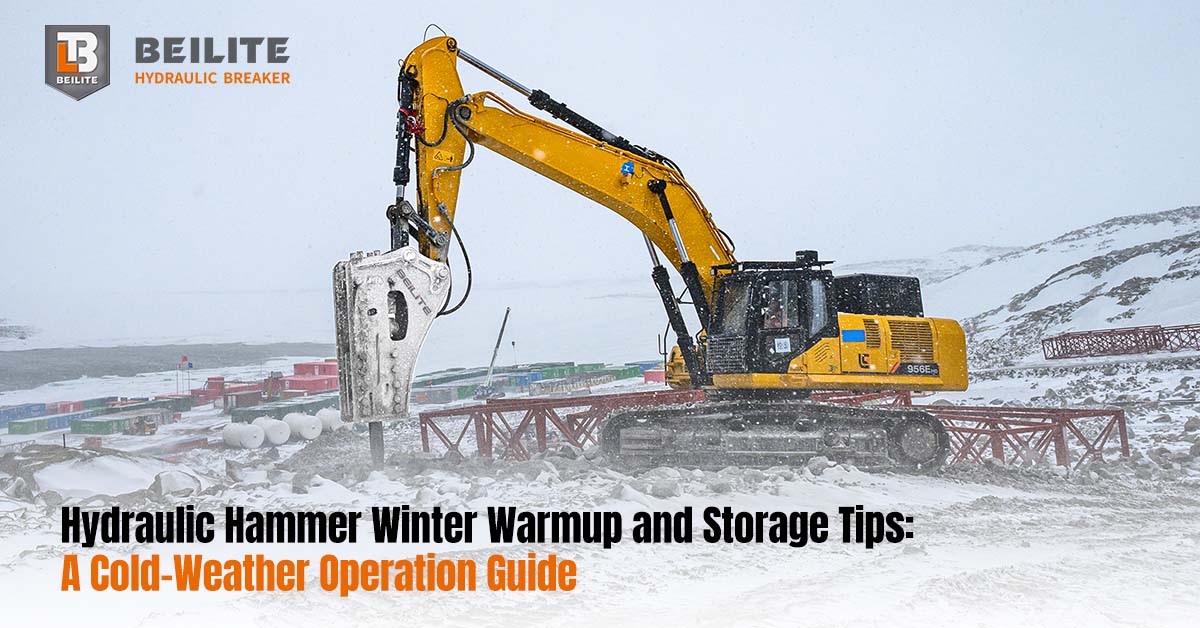
The most common mistake operators make is putting a cold hydraulic hammer to work immediately. This can lead to catastrophic failure. In freezing temperatures, hydraulic oil becomes viscous and thick. When you start the excavator, this cold, thick oil can’t flow properly. Forcing it through the narrow channels of the breaker’s Valve Assembly creates immense pressure and starves the Piston and Cylinder of proper lubrication. The U-cup Seal and O-ring seals inside the breaker harden and lose their flexibility. The sudden jolt of a cold start and immediate operation can cause these seals to crack and leak. The lack of proper lubrication leads to metal-on-metal wear on the Piston and Front Cylinder, causing micro-scratches that will lead to premature failure.
The Accumulator is a crucial component that protects your breaker and host machine. Its function depends on a charge of nitrogen gas.
Before the cold season begins, we recommend having your accumulator pressure checked and adjusted to the correct pressure for the expected operating temperature.
Internal Link: Hydraulic Breaker Seal Kit, how important is it really?
Moisture is a major cause of breaker failure, especially in winter. Temperature fluctuations cause condensation to form inside the breaker, leading to corrosion and rust.
Internal Link: Hydraulic Breaker Lifespan: Extend Your Hydraulic Hammer’s Life
When the cold weather brings an end to a project, proper storage is essential to ensure your breaker is ready to go next season.
Your excavator’s hydraulic oil is the lifeblood of your breaker. For cold weather operation, we recommend a multi-grade hydraulic oil (e.g., ISO VG 32 or VG 46) that maintains a stable viscosity across a broad temperature range. Consult your excavator’s manual for the correct grade.
Internal Link: An Ultimate Guide for Hydraulic Hammer Repair
The challenges of winter operation and storage are real, but they are not insurmountable. By taking a few simple, proactive steps—warming up the oil, checking your accumulator, preventing moisture buildup, and storing your equipment correctly—you can protect your hydraulic hammer from the damaging effects of the cold. This will ensure your breaker remains a reliable, high-performing asset for years to come.
The cold is not the enemy of a hydraulic hammer; improper operation and storage in the cold are. A few minutes of preventative action can save you from days of downtime and thousands of dollars in repairs. It is the cheapest and most effective insurance policy you can have.
Need a technical consultation on cold-weather operation? Contact our BEILITE support team for personalized advice.
40008-40008







 Phone/ Whatsapp:
  Email: