Hydraulic Breaker for Backhoe Loaders: The Complete Buyer’s Guide
2026-09-16

Hydraulic breakers—also known as rock breakers or hydraulic hammers—are indispensable tools in the construction, demolition, quarrying, and mining industries. When mounted on excavators or skid steers, these powerful attachments deliver high-impact energy to break through concrete, rock, and other tough materials.
However, maximizing the performance, longevity, and safety of a hydraulic breaker depends heavily on how it is used. Improper handling can lead to premature failure, costly repairs, and safety hazards.
Discover the do’s and don’ts that can make a major difference in the performance, safety, and longevity of your hydraulic breaker.
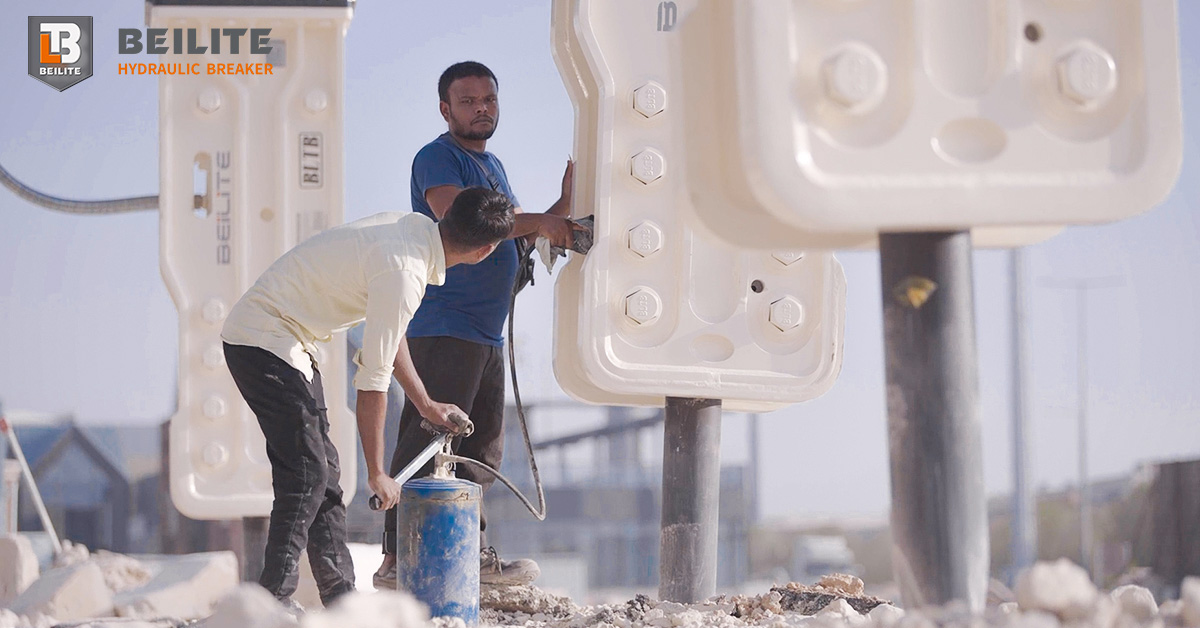
Before operating the breaker, perform a hydraulic flow test on your carrier machine—whether it’s a skid steer, mini excavator, or full-sized excavator. The machine must meet the breaker’s specific requirements for:
Running the breaker outside of these parameters can void warranties and dramatically shorten the breaker’s service life.
Perform a walk-around inspection before each use. Key things to check:
Because breakers undergo high-impact and vibration during operation, even minor issues can quickly turn into major failures if left unaddressed.
Proper lubrication is vital. Apply high-quality breaker grease at least every two hours during operation. This helps:
Failure to grease frequently can lead to damage in the tool bushings, tool retainer, and other internal parts.
Avoid continuous hammering on a single point for more than 20–30 seconds, especially if there’s no visible progress. Over-cycling causes:
Instead, reposition the tool frequently and keep it as perpendicular as possible to the work surface. Apply firm, consistent downward pressure during operation.
Initiating a break in the middle of a large boulder or slab (also known as the “sword in the stone” technique) places excessive stress on the tool. Instead:
This approach uses natural fracture lines and decreases breakout resistance.
Blank firing—when the breaker operates without firm contact with the material—produces a distinctive metal-on-metal “clinking” sound. This is extremely harmful to:
To avoid this, release the trigger as soon as the tool begins to punch through the material. Always ensure the tool is firmly seated before firing.
Hydraulic breakers are not designed for underwater use unless they are equipped with a manufacturer-approved air compressor kit. Without this setup, water ingress can:
No matter how experienced the operator is, never ignore unusual noises, performance drops, or visible damage. Promptly reporting:
can prevent costly downtime and major repairs.
A proactive operator is the first line of defense in maintaining equipment health and job site safety.
Hydraulic breakers are valuable assets that require proper care. Following the operational do’s and don’ts listed above will:
Always refer to the manufacturer’s service manual and maintenance schedule. Investing time in proper operation saves money in the long run—and keeps your job moving without interruption.
Looking for a reliable and efficient hydraulic breaker? Contact us to find the right model for your carrier and application needs.







 Phone/ Whatsapp:
  Email: