Hydraulic Breaker for Backhoe Loaders: The Complete Buyer’s Guide
2026-09-16

Selecting the right hydraulic hammer for your project is the first and most critical step toward ensuring productivity, efficiency, and profitability. With so many models and specifications to consider, the choice can seem complex. At BEILITE Machinery, we simplify this decision by focusing on the core principles that matter. We know that a perfectly matched and well-suited hydraulic breaker is a powerful asset that can save you time and money. A mismatch, however, can lead to inefficiency and costly damage to both the breaker and your excavator.
This expert guide breaks down the process of choosing a hydraulic hammer into four essential steps, helping you make a data-driven decision that guarantees success on the job site.
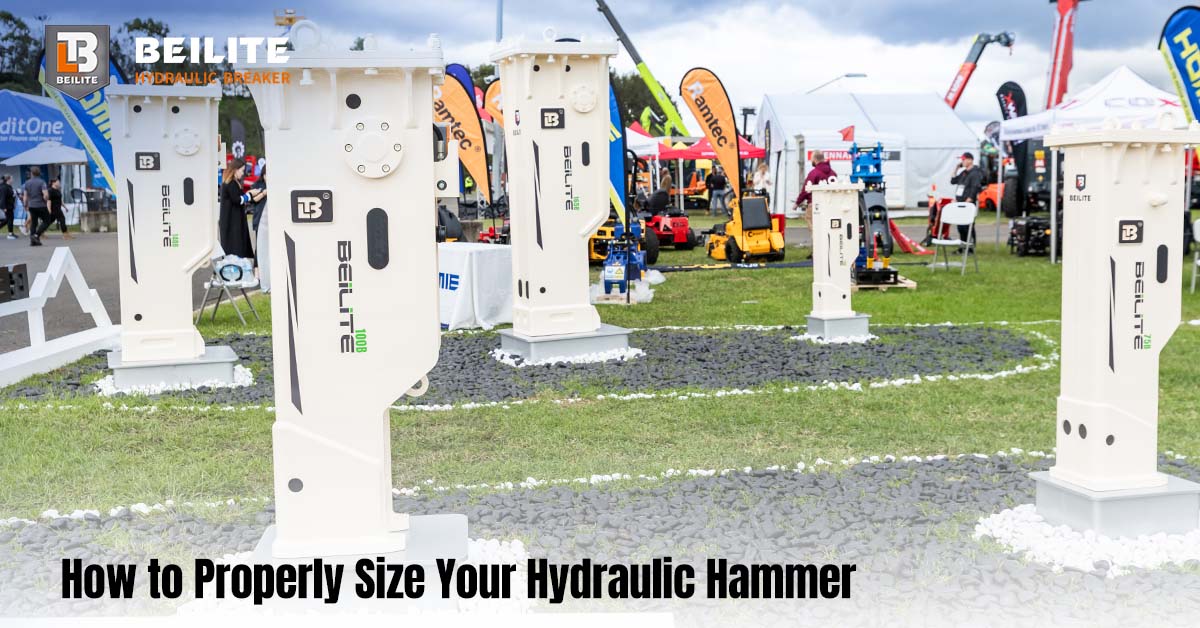
This is the most fundamental rule of hydraulic breaker selection. The hydraulic hammer is an extension of your host machine, and it must be perfectly synchronized with it. You must match three key specifications:
We engineer our breakers to match a specific range of carriers. Here is a sample from our product line to illustrate the importance of this match:
| BEILITE Model | Breaker Operating Weight (kg) | Oil Flow (l/min) | Operating Pressure (bar) | Applicable Excavator (t) |
| BLT-135 | 1736 | 100-150 | 160-180 | 18~22t |
| BLT-140 | 1910 | 120-180 | 160-180 | 20~24t |
| BLT-150 | 2310 | 150-210 | 180-200 | 24~27t |
Internal Link: How to Choose the Right Hydraulic Breaker for Your Medium or Large Excavator
The type of work you plan to do dictates the breaker’s design and the specific Working Tool you need.
Internal Link: What is a Hydraulic Breaker? A Complete Guide to Its Uses and Capabilities
Beyond the size and application, you must look at the breaker’s core performance metrics. These numbers directly translate to efficiency and productivity on the job.
The initial price is only one part of the story. The long-term profitability of your breaker is tied to its durability and ease of maintenance.
Internal Link: How to Match Hydraulic Hammer Size Configurations to Your Job Requirements?
Choosing a hydraulic hammer that is not suited for the job has significant consequences. An undersized breaker will not perform, leading to lost time and fuel. An oversized breaker risks damaging your excavator’s hydraulics and structure. In either case, you face the costs of reduced productivity, increased fuel consumption, premature component wear, and, most importantly, unplanned downtime. We build our products to avoid these issues from the very beginning.
Choosing the right hydraulic hammer is a strategic decision that shapes your project’s success. It requires a careful consideration of your host machine, the specific application, and the breaker’s performance characteristics and durability. By following this guide, you can confidently select a tool that not only meets the demands of your project but also provides a high return on your investment for years to come.
The initial cost of a hydraulic hammer is only a fraction of its total cost of ownership. The real value is in its reliability and performance over its entire lifespan. A higher-quality, better-matched breaker may have a higher upfront cost, but it will save you far more in avoided downtime, repair costs, and increased efficiency on every job.
Need help choosing the right hydraulic breaker? Contact our experts for a personalized recommendation.




 Phone/ Whatsapp:
  Email: