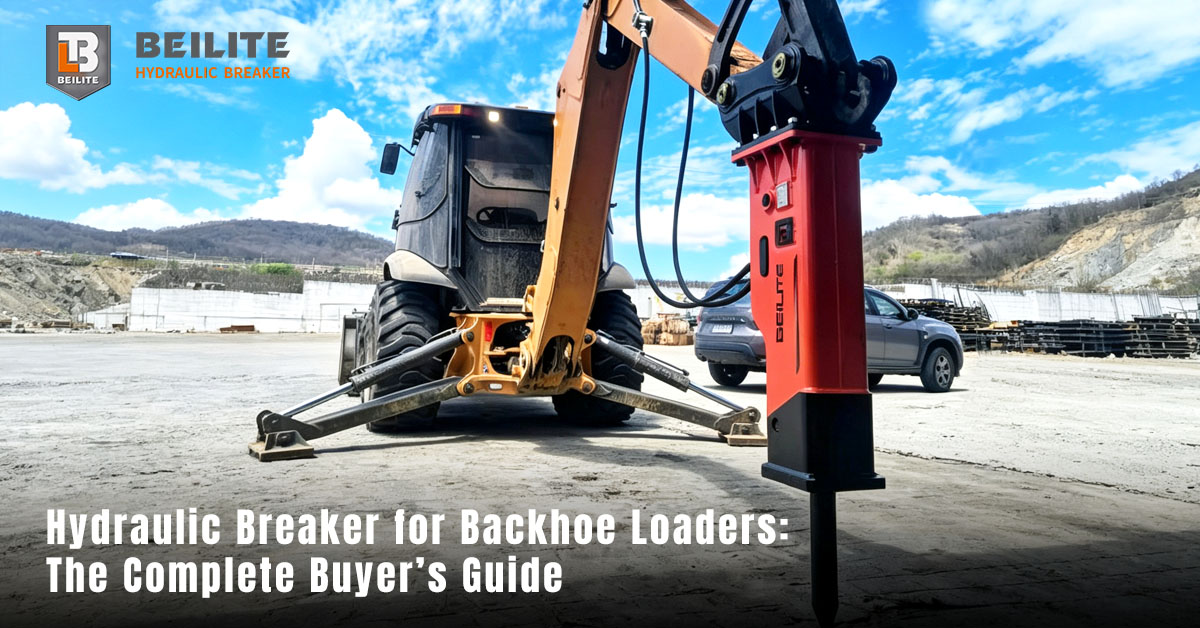
Hydraulic Breaker for Backhoe Loaders: The Complete Buyer’s Guide
2026-09-16

In the construction, mining, and demolition sectors, productivity and equipment longevity directly impact your bottom line. A hydraulic breaker is a key tool for heavy-duty applications, from rock breaking to reinforced concrete demolition, but its effectiveness hinges on precise matching to your excavator.
In this guide, we’ll help you choose the right hydraulic breaker for your medium or large excavator, ensuring you maximize performance and minimize risk.
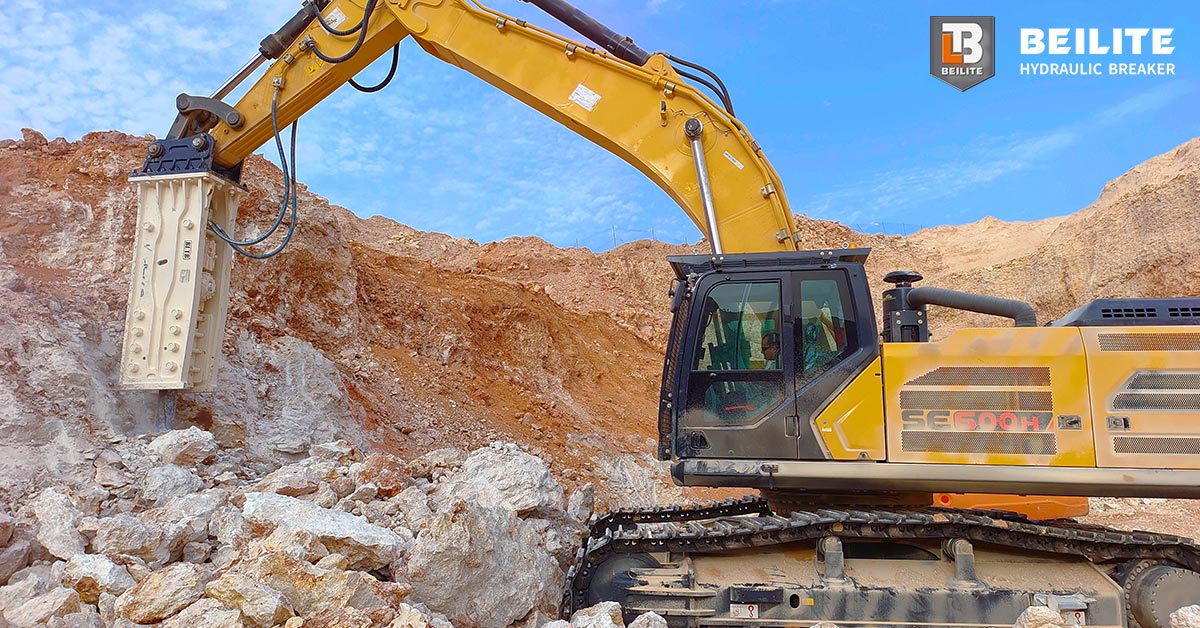
Hydraulic breakers are powerful attachments designed to break through concrete, rock, and other tough materials using high-frequency percussive force. When paired with medium (20–35 tons) or large (35+ tons) excavators, these tools transform the machine into a high-efficiency demolition or excavation unit.
In construction, mining, and demolition industries, medium and large hydraulic breakers play a critical role in:
For medium and large excavators (20 tons and up), choosing the right breaker is a matter of operational efficiency and machine safety. A poor match not only leads to equipment stress but also increases downtime and fuel costs.
Excavator size directly influences the type of breaker you need. Matching the breaker to your machine’s class ensures optimal performance and longevity.
Medium Excavators (20–35 tons):
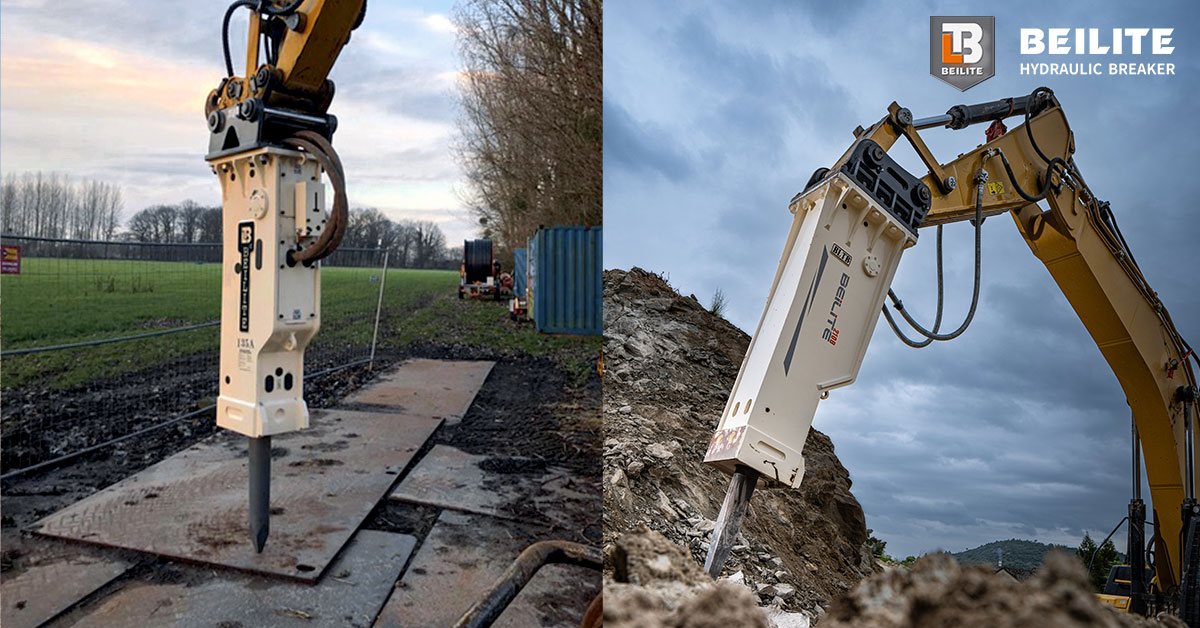
Large Excavators (35+ tons):
Warning: Installing an incompatible breaker class can lead to serious issues, including seal failures, excessive wear, and significantly low productivity. Always ensure your breaker matches your excavator’s specifications to avoid costly downtime and repairs.
Before selecting a breaker, accurately classify your machine and understand the critical matching factors. Breakers must align with:
For instance, the ideal hydraulic breaker for a 20-ton excavator typically weighs between 1,400–1,800 kg, with hydraulic requirements between 130–180 L/min and 160–180 bar. Always consult a breaker compatibility chart to match the model precisely to your machine specifications and job requirements.
Choosing the right breaker involves balancing impact energy, blow frequency, and operating cost. For example, high-frequency, medium-energy breakers excel in demolition and concrete applications, while low-frequency, high-energy breakers are better suited for quarrying and trench rock breaking. A high-performance hydraulic breaker gets more done per hour with fewer delays or mechanical issues.
A hydraulic breaker represents a long-term investment. To maximize your return, prioritize build quality and ease of service.
Key durability features to look for include:
Consider these maintenance aspects:
If you operate in remote or demanding conditions, choose a low-maintenance hydraulic breaker requiring minimal daily upkeep.
Choosing a Breaker Manufacturer:
Selecting the right manufacturer is just as important as choosing the breaker itself. A reliable manufacturing partner ensures not only product quality, but also consistent performance, ease of maintenance, and long-term support.
Here are some key qualities to look for in a trusted hydraulic breaker manufacturer:
When evaluating manufacturers, consider not only the product specifications—but also the ecosystem behind them: service infrastructure, technical responsiveness, and their track record in supporting customers through the entire equipment lifecycle.
A well-rounded manufacturer provides more than just equipment—they deliver confidence, continuity, and long-term value.
The ideal Hydraulic Breakers have the below seven Core Advantages:
📞 Unsure how to choose the right breakers to fit your needs? Talk to a Beilite expert today for personalized guidance. 📩 Contact Us →
Selecting the right hydraulic breaker—and the right manufacturer—can make all the difference in your equipment’s performance, uptime, and total cost of ownership. From matching impact power and hydraulic flow to ensuring durability and local support, every detail matters.
As part of our commitment to innovation and operational excellence, our heavy-duty breaker models have recently undergone technical upgrades. They now support an optional real-time tracker system, allowing you to monitor machine performance, usage hours, and operating status remotely—a powerful tool for smarter fleet management.
🛠️ In our next blog, we’ll take a closer look at this intelligent monitoring system and how it helps reduce downtime and optimize productivity. Stay tuned.
For a 20-ton excavator, choose a breaker that weighs between 1,400–1,800 kg and operates with a hydraulic flow of 130–180 L/min at 160–180 bar. Always check your machine’s specs and refer to a compatibility chart.
Medium excavators typically weigh between 20–35 tons and are ideal for urban demolition or general construction. Large excavators (35+ tons) are designed for heavy-duty work like mining and large-scale excavation.
Ensure your breaker’s weight, flow, and pressure match your excavator’s capabilities. Improperly matched breakers cause performance loss, seal damage, and high maintenance costs.
Yes,When working near residential areas, commercial areas, or sensitive infrastructure, noise reduction (or “silent”) hydraulic breakers are especially important.
With over two decades of dedicated R&D and manufacturing expertise, Beilite has become a trusted name in the hydraulic breaker industry. Whether you’re operating a mini excavator for urban demolition or a large machine in a quarry, we offer precision-matched solutions that prioritize productivity, safety, and equipment longevity.
Beilite stands out not only for product performance, but also for its leadership in technical standards and industry compliance. With hundreds of patented technologies and certifications in quality, environmental management, occupational health and safety, as well as EU CE and TÜV standards, Beilite has helped shape the industry through innovation. In 2015, the company participated in drafting the national standard GB/T 32799-2016 for hydraulic breakers—a key milestone in China’s equipment manufacturing sector. Beilite is also an active member of the European Demolition Association (EDA) and the Association of Equipment Manufacturers (AEM).
Beilite provide:





 Phone/ Whatsapp:
  Email: