Hydraulic Breaker for Backhoe Loaders: The Complete Buyer’s Guide
2026-09-16

A hydraulic breaker—also called a hydraulic hammer or excavator breaker—is a heavy-duty tool designed to demolish tough materials like asphalt and concrete. Mounted on carriers such as excavators or skid steers, it uses hydraulic pressure to deliver powerful impacts through a chisel or tool bit.
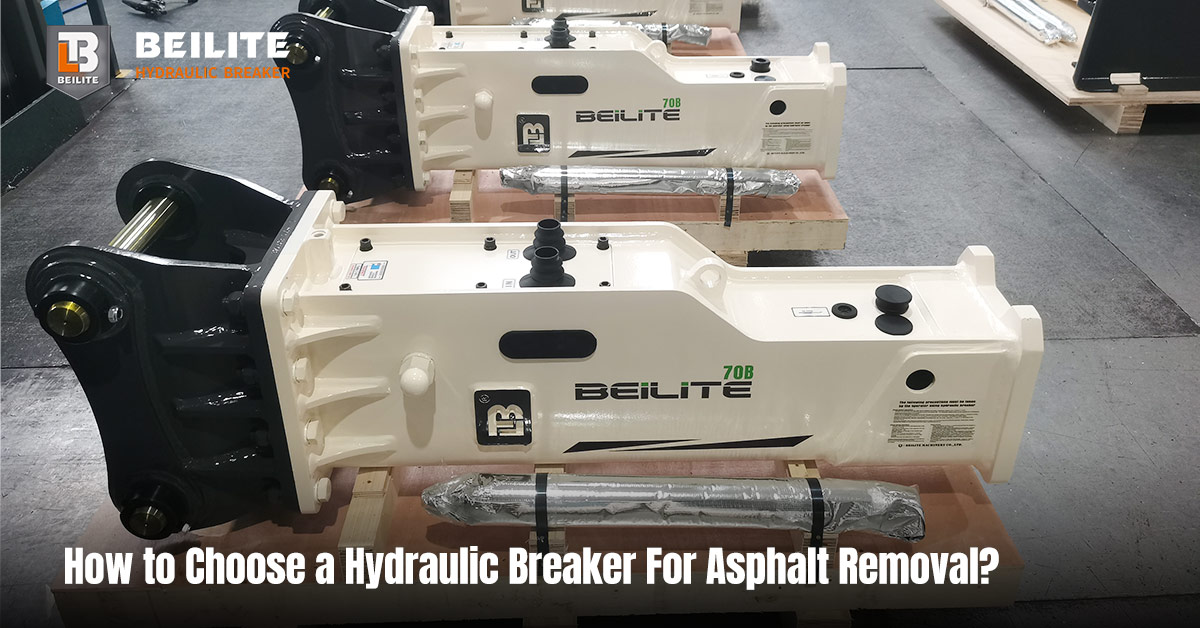
| Component | Function |
| Piston | Moves back and forth, powered by hydraulic fluid, creating the impact force |
| Chisel (tool bit) | The working tip that breaks asphalt or rock on contact |
| Hydraulic system | Pumps oil under high pressure to drive the piston |
This rapid sequence produces high impact energy, ideal for efficient asphalt removal.
| Type | Mounting Position | Key Features | Best for Asphalt Work |
| Side-mount | Attached to the excavator’s boom | Compact and easy to maneuver | Patching potholes, tight spaces |
| Top-mount | Mounted on top of the carrier | Higher impact energy and stability | Large-scale road resurfacing |
| Silenced | Includes built-in noise reduction | Lower noise output | Urban areas with noise restrictions |
Each type caters to specific job needs, balancing power, noise, and flexibility in asphalt demolition.
By understanding how a hydraulic breaker works and its core components, you can better select the right hydraulic asphalt breaker attachment for your project. Whether for light patching or full pavement removal, these tools deliver precise, powerful impact ideal for effective asphalt demolition.
Hydraulic breakers are a top choice for asphalt removal because they deliver speed, precision, and less vibration compared to other tools like pneumatic hammers, milling machines, or doing the job manually. Unlike pneumatic hammers that can be noisy and hard to control, hydraulic breakers operate smoothly with powerful, focused strikes that break up asphalt cleanly without shattering the entire surface. This precision helps avoid damaging the sub-base beneath the pavement, which is crucial for road repair and resurfacing projects.
When it comes to asphalt, controlled impact matters. Hydraulic pavement breakers apply steady force that cracks asphalt in layers rather than smashing it all at once. This makes them perfect for jobs like utility trenching, patching potholes, full pavement removal, and road resurfacing. You get fast, effective results without unnecessary damage or extended downtime.
Because of these benefits, hydraulic breakers are widely used as asphalt demolition breakers on excavators and skid steers. They offer a balance of power and control that suits a variety of asphalt cutting attachments and pavement demolition tasks across the U.S. market.
Recommend Reading: 14 Common Uses of Hydraulic Breakers
Picking the right hydraulic breaker for asphalt removal starts with matching the breaker to your carrier. Excavators range from mini models under 5 tons all the way to 30+ ton machines. Skid steer options are also popular for smaller jobs or tighter spaces. Make sure your breaker fits the carrier’s weight class and hydraulic setup.
Impact energy and blow frequency matter a lot for asphalt. Medium hydraulic breakers are usually the sweet spot—they deliver enough punch without over-crushing the surface or damaging the sub-base. Look for breakers with adjustable blow rates to control the force and timing for smoother asphalt demolition.
Choosing the right tool bit makes a big difference too. Popular options for asphalt include:
Next, check hydraulic flow and pressure specs to ensure your breaker runs at peak performance. Your excavator or skid steer should supply the recommended flow (GPM) and pressure (PSI) for the breaker model you pick.
Bonus features can boost productivity and operator comfort. Auto-greasing keeps the breaker running smoothly with less downtime, dust suppression improves visibility and air quality on site, and noise reduction helps meet job site regulations and keeps operators safer.
By focusing on these factors—carrier compatibility, impact specs, tool bits, hydraulic requirements, and extra features—you’ll get a hydraulic pavement breaker that’s reliable and efficient for your asphalt projects.
Choosing the right hydraulic breaker for asphalt removal depends mostly on your carrier size and the thickness of the asphalt you’re working on. Here’s a simple breakdown to help you match the breaker to your project needs:
| Breaker Size | Impact Energy (ft-lbs) | Best Use | Typical Carrier Size |
| Small Breakers | Up to 1,200 | Light patching, thin asphalt layers | Mini excavators, skid steers |
| Medium Breakers | 1,200–4,000 | Standard road removal and resurfacing | 10 to 25-ton excavators |
| Large Breakers | Over 4,000 | Heavy-duty, full-depth pavement removal | 30-ton+ excavators |
Small breakers are great for minor repairs and thin asphalt patches. If you’re running a small skid steer or mini excavator, these breakers deliver enough impact without overwhelming your machine.
Medium breakers hit the sweet spot for most road projects. They handle standard asphalt removal and resurfacing well, which makes them perfect for common excavator hydraulic hammer asphalt work. Models in the 1,200 to 4,000 ft-lbs range are what you’ll often see on 10-25 ton machines on US job sites.
Large breakers pack the power for serious demolition jobs—full-depth pavement removal or thick asphalt. These are used with heavy-duty excavators (30+ tons) and are built to handle tough urban or highway repairs.
For example, Beilite’s medium hydraulic breaker asphalt models fit well with 20-ton excavators and are a solid choice for most asphalt removal projects in the US, offering reliable performance and long service life. Their heavy-duty breakers pair nicely with larger carriers for those demanding road surface removal hammer tasks.
Picking the right breaker size helps you avoid tool wear and carrier strain, while maximizing productivity on your asphalt demolition projects.
Beilite hydraulic breakers are designed tough for the heavy lifting needed in asphalt demolition. Their durable construction and reliable components make them a smart choice for contractors working on road surface removal or asphalt removal projects across the U.S. The breakers deliver high-impact performance while keeping maintenance simple and costs competitive.
| Model Series | Carrier Size | Impact Energy (ft-lbs) | Best Use |
| Medium-Duty Series | 5 to 15 tons excavators | 1,200 – 3,500 | Road resurfacing, pothole patching |
| Heavy-Duty Series | 15 to 30+ tons excavators | 3,500+ | Full-depth pavement demolition |
| Skid Steer Options | Skid steers 2 to 5 tons | 500 – 1,200 | Light asphalt cutting, thin layers |
Beilite’s hydraulic rock breaker asphalt tools are engineered to provide steady, controlled impacts that efficiently break asphalt without damaging the sub-base. This makes them superior to manual or pneumatic alternatives when tackling tough road repair or utility trenching jobs.
If you’re looking for a reliable hydraulic hammer for pavement, Beilite’s range balances power, durability, and cost—perfect for American contractors focused on quality and budget.
Getting the best results with a hydraulic breaker for asphalt removal starts before you even fire it up. Here’s what to keep in mind:
Following these practices ensures your hydraulic breaker road repair project stays on track, with better results and less downtime.
Keeping your hydraulic breaker in top shape is key when working on asphalt removal. Daily inspections make a big difference—check the chisel wear closely to avoid damage, keep grease levels up for smooth operation, and monitor the nitrogen charge if your breaker uses a nitrogen chamber. These small checks prevent downtime and costly repairs.
Routine service is just as important. Make sure to inspect seals, bushings, and hydraulic fluid regularly. Worn seals or old fluid can reduce power and cause leaks, impacting your breaker’s efficiency. Staying on top of these checks extends the life of your hydraulic asphalt breaker attachment and keeps it working like new.
Since asphalt is abrasive, it puts extra wear on tool bits and components. Use proper tool bits for asphalt, like moil points or asphalt cutters, and replace them before they get too worn. This avoids extra stress on the breaker and helps maintain peak performance during road surface removal.
Beilite supports its customers with a strong parts network and service options across the U.S. Their availability of replacement parts means less waiting when you need a quick fix, making their hydraulic rock breaker for asphalt a reliable choice for long-term projects.
Regular maintenance combined with quality parts keeps your excavator hydraulic hammer for asphalt running smoothly, saving time and money on every asphalt demolition job.
When working with a hydraulic breaker for asphalt removal, safety should be your top priority. Here’s what you need to keep in mind to protect both operators and the job site.
Using these safety measures will help you get the job done efficiently while protecting everyone on-site during asphalt removal with hydraulic breakers.
When removing asphalt, you’ve got options like milling machines, saws, or drop hammers. Each tool fits different jobs, but hydraulic breakers often come out on top for many asphalt demolition tasks.
| Method | Pros | Cons | Best Use Case |
| Milling | Smooth surface, fast on large areas | Expensive equipment, limited on tight spots | Large-scale pavement removal |
| Sawing | Precise cuts, clean edges | Slow, needs follow-up removal | Cutting expansion joints, trenches |
| Drop Hammer | Simple, heavy impact | Less control, can damage sub-base | Small jobs, demolition prep |
| Hydraulic Breaker | Precise, versatile, suited for various carriers | Requires proper sizing and setup | Asphalt patching, road repair, utility trenches |
In short, if your asphalt project needs controlled breaking with less risk to the base or you’re working with varied excavation equipment, a hydraulic breaker for asphalt removal is often the smartest choice. It’s a reliable, cost-effective tool that handles tough jobs without the hassle.





 Phone/ Whatsapp:
  Email: