Hydraulic Breaker for Backhoe Loaders: The Complete Buyer’s Guide
2026-09-16

Hydraulic hammers are devices that generate high-intensity impact forces through a hydraulic system, and are widely used for breaking hard materials such as concrete, rock, and asphalt. Construction workers typically mount them on heavy machinery such as excavators and skid steer loaders for high-intensity operations such as demolition, mining, and construction.
Hydraulic hammer drive the piston to move up and down through hydraulic oil. When the piston strikes the chisel, the impact energy is transferred to the target material, achieving rapid and effective breaking. This principle makes it an indispensable equipment in multiple industries.
In various scenarios, from urban demolition and mining operations to underwater structure construction, operators rely on hydraulic hammer to improve efficiency, reduce manual labor, and ensure operational precision.
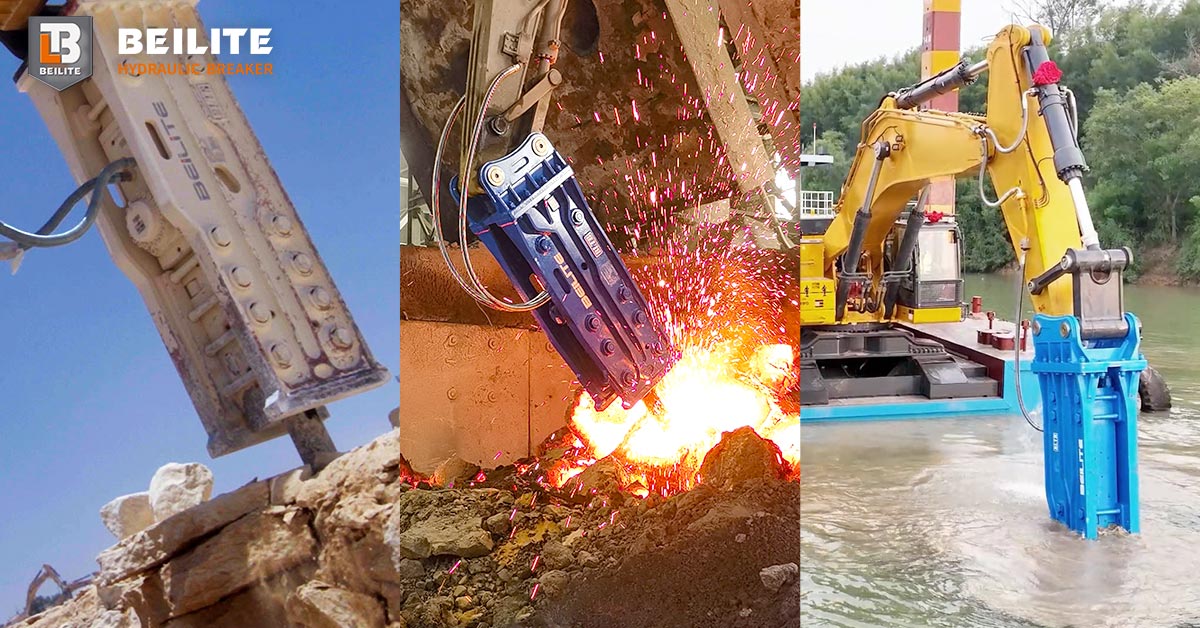
Hydraulic breakers play a significant role across various industries due to their high efficiency and strong adaptability. The following outlines several primary application scenarios:
In urban areas, construction workers need to break down walls, floors or concrete foundations on a small scale to avoid affecting the surrounding structures. The hydraulic breaker provides precise control, focusing on the designated area to ensure structural safety while completing the task.
During road construction, construction teams use hydraulic breakers to remove structures such as road surfaces, bridge decks, and curb stones. Compared with traditional handheld tools, hydraulic equipment can significantly accelerate the progress, reduce labor intensity and improve the overall construction efficiency.
In mining operations, hydraulic breakers are used to break super-large rocks or to conduct preliminary processing of ores. No explosives are needed, which not only reduces safety risks but also simplifies the operation process, making it suitable for high-intensity continuous operations.
In the recycling process of scrap metals or concrete, hydraulic breakers are used to break large pieces of material into smaller ones that can be transported or reprocessed. Operators can effectively control the crushing range and prevent damage to the recyclable parts.
In underwater construction projects, technicians install hydraulic breakers on dedicated machinery for scenarios such as wharf construction, underwater pipeline maintenance, and canal dredging.
The hydraulic breaker performs impact operations by driving the piston with high-pressure oil provided by the hydraulic system of the carrier machine. High-pressure oil is transmitted through pipelines to the interior of the breaker, where the flow rate is regulated by the control valve and the piston is driven to move.
When the piston strikes the tool head (such as a chisel or a pointed head), the impact force is transmitted to the target material, resulting in a crushing effect. This cycle process proceeds continuously, generating a powerful high-frequency impact.
There are two types of hydraulic breakers on the market:
Recommend Reading:
What is a Hydraulic Breaker? Your Complete Guide to Breaker Hydraulics
Guide to Hydraulic Hammers and Their Different Parts
When choosing a hydraulic breaker, companies usually look for the following advantages that hydraulic breakers bring to the table:
The hydraulic breaker hammer provides strong and concentrated impact force to easily break reinforced concrete, granite and other hard materials, effectively shortening the construction period.
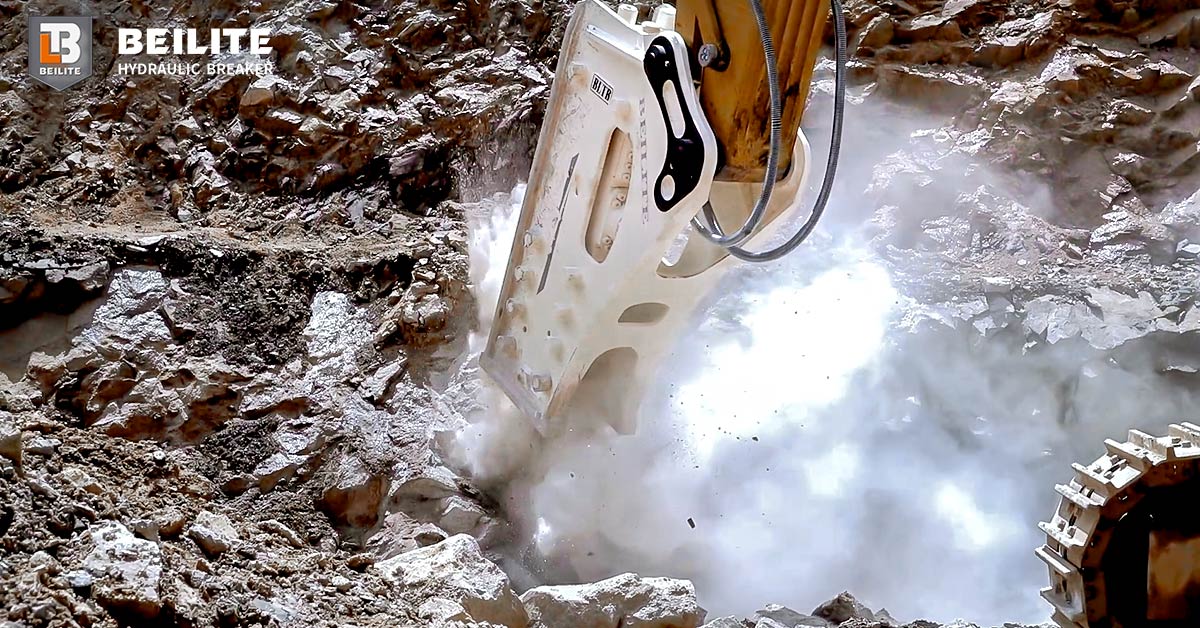
Whether on the ground, at high altitude, or underwater, the hydraulic breaker can work stably. Its compatibility with a wide range of aircraft gives it the potential to be used in a wide range of applications.
The operator has precise control over the location and frequency of impacts, ensuring that only the target area is impacted. Precise control of the hydraulic breaker is important to minimize unnecessary damage.
Thanks to their high frequency output and sustained impact capability, hydraulic breakers can work continuously with less downtime, significantly improving overall project efficiency and economy.
Recommend Reading:
14 Common Uses of Hydraulic Breakers
Depending on the supporting equipment, manufacturers categorize hydraulic breaker hammers into the following four categories:
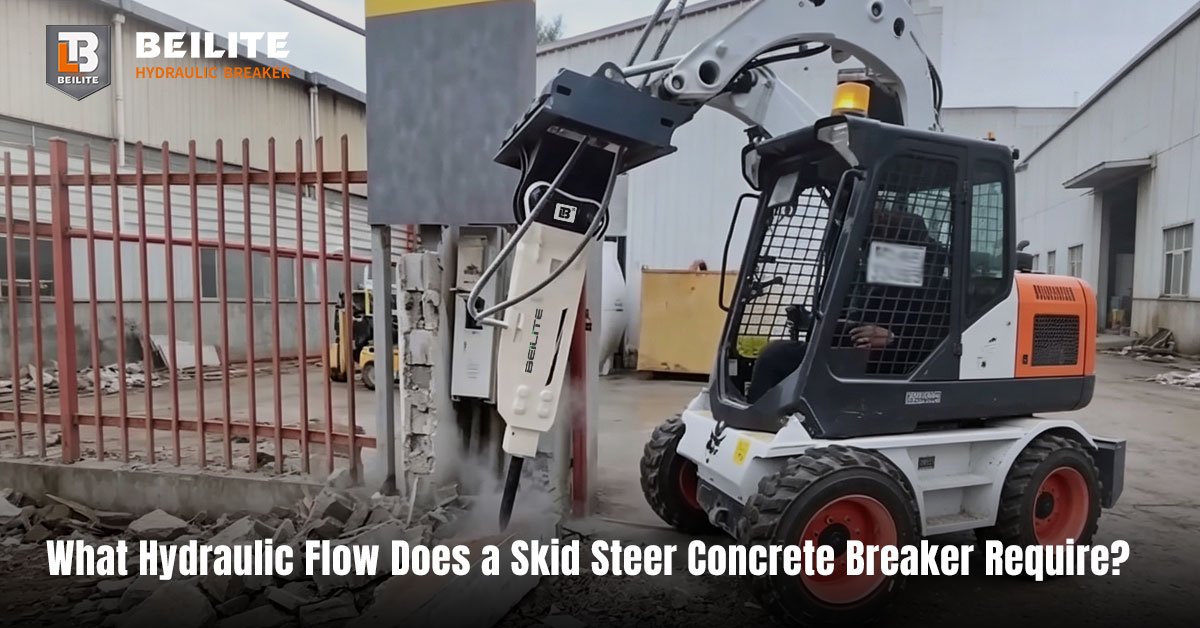
Suitable for narrow space or indoor construction, suitable for light demolition tasks, such as home renovation, indoor concrete breaking and other scenarios.
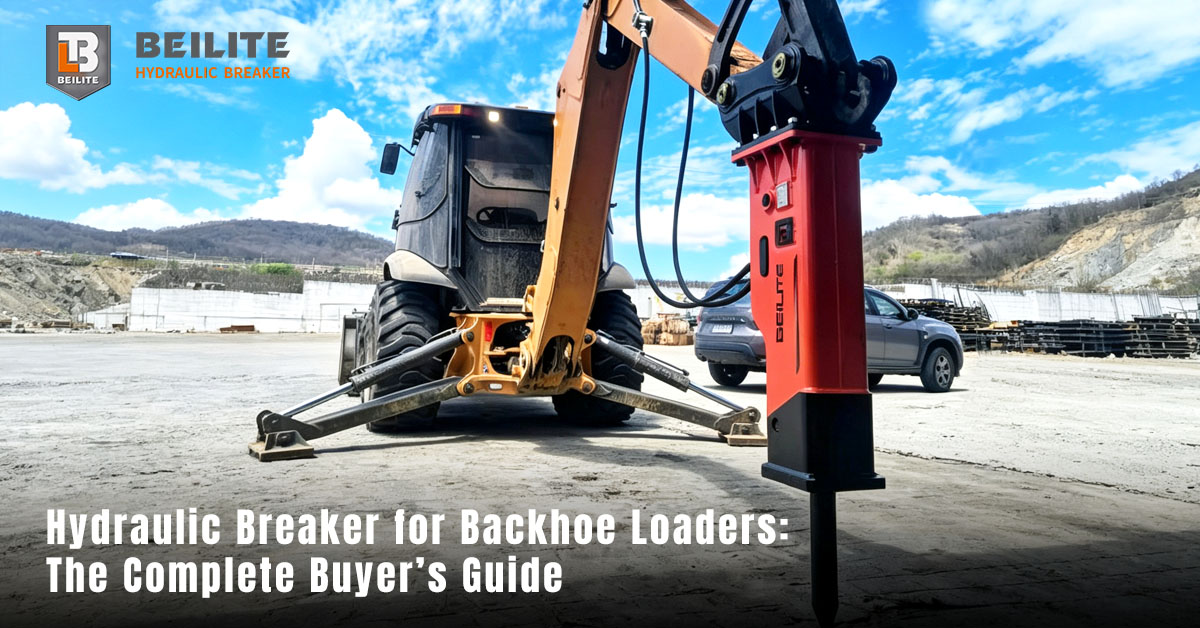
Widely used in city construction, road construction and other medium-sized projects, combining both output capacity and ease of operation, with high cost performance.
Used in mining, bridge demolition and other large-scale projects, providing maximum impact energy, suitable for high-intensity, long-time continuous operation.
Underwater environment: By using special sealing structure and corrosion-resistant materials, it can operate stably for a long time in a high-pressure underwater environment, and is widely used in underwater demolition, harbor engineering and bridge foundation construction.
Polar environment: By using low-temperature resistant hydraulic oil, low-temperature seals and anti-freezing structure, it ensures efficient start-up and operation even in the environment below -40℃.
High-temperature environment: adopting high-temperature heat-resistant materials and optimized heat dissipation structure, it can operate continuously in high-temperature environment such as steel smelting and slag cleaning.
Recommend Reading:
Best Hydraulic Breakers for Skid Steer Loaders: Complete Selection Guide 2026
Proper maintenance can extend the service life of the hydraulic breaker and maintain stable performance. Operators should follow the maintenance points below:
Before each use, check the hydraulic lines for leaks, loose fittings and worn tool heads. Ensure that the equipment is firmly connected to the carrier and that the oil level is normal.
2.Regular lubrication
Apply grease to the tool head and bushings in a timely manner during operation. In dusty or high humidity environments, lubrication frequency should be increased appropriately to avoid dry wear.
Chisel or tip heads are high wear parts. Operators need to measure their length regularly and replace worn parts in time to avoid excessive impact on the piston affecting performance.
Air-assisted Breaking Hammers should regularly check the nitrogen pressure to ensure that it is within a reasonable range. Use special tools to avoid accidents caused by improper operation.
During shutdown or transportation, clean up dust and water stains on the surface of the equipment, remove the tool head, seal the oil port, and store it in a dry and ventilated environment to prevent rusting or oil pollution.
If you’re reading this, you should have learned how to choose a crushing hammer that
Want to pick a high performance hydraulic breakerr for your project? Feel free to contact the Beilite team. We offer multiple models and will assist you in matching the best solution to your project needs. Contact us now for exclusive technical support and after-sales protection, for more efficient operations and peace of mind.





 Phone/ Whatsapp:
  Email: